The Essential K-12 Mandatory Compliance Training Checklist for School Districts
Matthew Thaxter
Director of Learning
OTIS Blog Feed
Teq Supports District Implementation: Beyond funding guidance, Teq provides turnkey grant alignment, hardware staging, and certified PD coaching via OTISpd.com to ensure 100% classroom adoption.
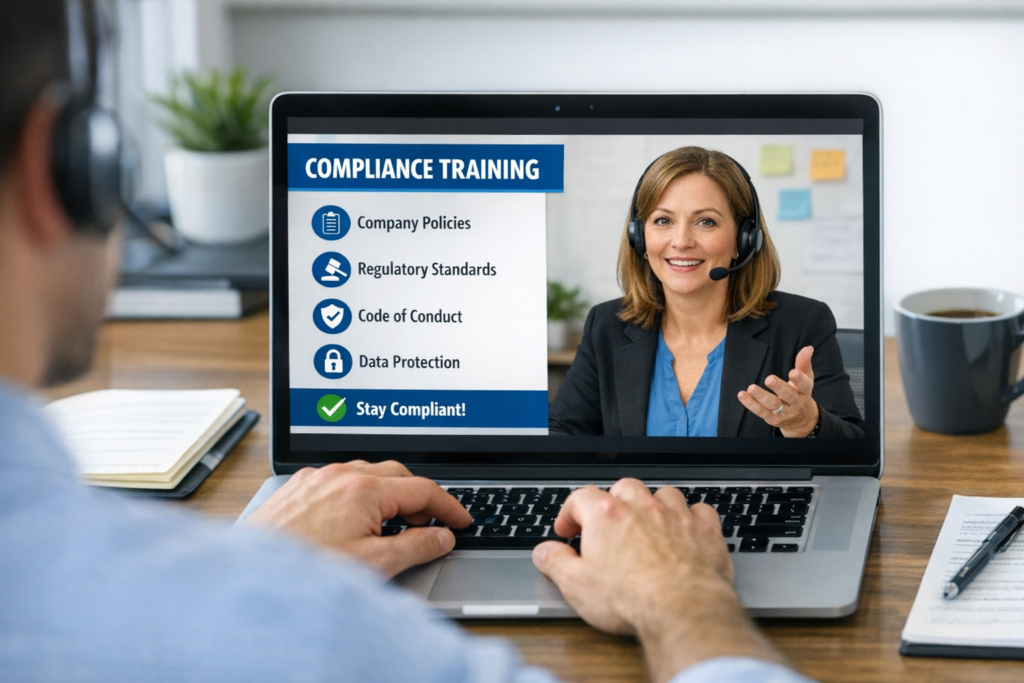
K-12 district leaders in 2026 face an increasingly complex web of annual federal and state compliance training mandates. Ensuring timely completion across all employee groups—from certificated teachers and administrators to classified support staff and athletic coaches—is critical for student safety, risk mitigation, and continuous audit readiness. Failure to comply with these rigorous standards exposes school districts to state department audits, the loss of federal Title funding, and severe civil liability. According to a recent legal alert from the California Department of Justice, school districts nationwide reported thousands of sexual misconduct and harassment incidents in recent reporting cycles. This has led to billions of dollars in settlements and mandated multi-year oversight agreements for districts lacking robust training and tracking systems. This comprehensive guide provides district administrators with a structured roadmap for navigating the 2026 compliance landscape effectively.
What is K-12 Mandatory Compliance Training?
K-12 mandatory compliance training refers to the federally and state-mandated educational programs that school district employees must complete annually to ensure student safety, mitigate risks, and maintain legal adherence. These trainings are governed by bodies such as OSHA, the U.S. Department of Education Office for Civil Rights (OCR), and various state departments of education. Required modules typically cover hazard communication, civil rights protections, abuse prevention, and emergency response, ensuring that all staff interacting with students or school facilities operate under unified, legally sound protocols.
The Four Core Pillars of K-12 Compliance Training
To build an audit-ready compliance strategy, districts must first address the four foundational pillars mandated by federal and state law.
1. Bloodborne Pathogens (BBP) and Infection Control
Federal OSHA 29 CFR § 1910.1030 establishes the statutory authority requiring bloodborne pathogen training for all employees with potential occupational exposure to blood or other potentially infectious materials (OPIM). This mandate extends beyond school nurses and athletic trainers to include custodial staff, special education paraprofessionals, and playground supervisors.
Under OSHA 29 CFR § 1910.1030, bloodborne pathogen training is not a one-time onboarding requirement; school districts must provide annual refresher training to all employees with occupational exposure risk within 365 days of their prior training. The core curriculum must encompass the epidemiology of bloodborne diseases, universal precautions, proper PPE selection, post-exposure medical follow-up protocols, and the district’s specific Exposure Control Plan.
2. Child Abuse and Neglect Mandated Reporter Training
Mandated reporter training is universally required for all school district employees, governed federally by the Child Abuse Prevention and Treatment Act (CAPTA) and strictly enforced through state-specific education codes. State child abuse reporting laws, such as California Education Code § 44691 / Penal Code § 11165.7 (AB 1432) New York State Education Code § Article 23-B and Texas Education Code § 38.0041, strictly mandate that school districts ensure all personnel complete child abuse and mandated reporter training within the first six weeks of each school year or within six weeks of employment.
Staff must be trained on recognizing behavioral signs of physical and emotional abuse, grooming behaviors, and boundary violations. Crucially, the training must explicitly detail the legal obligations of a mandated reporter, including individual reporting duties, immunity protections, and the severe statutory penalties for failure to report to Child Protective Services (CPS) or local law enforcement.
3. Sexual Harassment and Abusive Conduct Prevention
Title VII of the Civil Rights Act of 1964, alongside stringent state statutes like New York Labor Law §201-G, and California SB 1343 / Gov. Code §§ 12950 & 12950.1, requires ongoing sexual harassment and abusive conduct prevention training for all district staff.
Non-supervisory staff typically require a minimum of one hour of interactive training every two years (or annually depending on state regulations), while supervisory personnel and board members require two hours within six months of assuming their roles. Curriculums must clearly define quid pro quo and hostile work environment harassment, detail reporting pathways, emphasize strict anti-retaliation protections, and provide actionable bystander intervention strategies.
4. Title IX Sex Discrimination and Sexual Harassment
Governed by Title IX of the Education Amendments of 1972 (20 U.S.C. § 1681(a); 34 CFR Part 106), this compliance pillar ensures educational environments remain free from sex-based discrimination and harassment.
Title IX compliance requires a two-tiered training approach: comprehensive annual training for all district employees regarding sex discrimination identification and reporting, paired with specialized procedural training for Title IX Coordinators, investigators, and decision-makers. The specialized team must undergo rigorous training on impartial evidence evaluation, avoiding bias, and conducting live hearings. Additionally, 34 CFR § 106.45(b)(10) requires districts to publicly post all training materials used for Title IX personnel on their official websites.
Additional Annual Compliance Requirements
Beyond the four core pillars, state departments of education—such as the Illinois State Board of Education and the Tennessee School Boards Association—require districts to satisfy supplementary operational mandates to ensure comprehensive school safety.
|
Mandate Topic |
Primary Citation |
Target Audience |
Typical Frequency |
|---|---|---|---|
|
FERPA & Student Privacy |
34 CFR Part 99; COPPA; CIPA |
All instructional & clerical staff |
Annual / Upon Hire |
|
Hazard Communication (HAZCOM) |
OSHA 29 CFR § 1910.1200 |
Custodial, science, maintenance, art staff |
Annual / Upon new chemical introduction |
|
McKinney-Vento Act |
42 U.S.C. § 11431 et seq. |
Counselors, registrars, liaisons, all staff |
Annual |
|
Student Mental Health & Suicide Prevention |
State Education Codes (e.g., Texas HB 3) |
Certificated teachers, counselors, administrators |
Annual / Biennial |
|
Emergency Medical Response |
State Health & Safety Statutes |
Physical educators, coaches, nurses |
Annual / Biennial (Certification) |
|
Bullying & Hazing Prevention |
State Anti-Bullying Laws |
All campus personnel |
Annual |
Overcoming District Administration Bottlenecks
K-12 Human Resources directors and compliance officers frequently encounter systemic bottlenecks when deploying annual training. Managing a fragmented workforce that includes permanent teachers, substitute teachers, third-party contractors, and classified staff makes unified scheduling incredibly difficult.
Furthermore, “staff training fatigue” is a very real challenge. Forcing educators to consume hours of disjointed, static video courses at the start of the academic year leads to passive compliance rather than genuine knowledge retention. Compounding this issue is the audit vulnerability created by fragmented paper records, disparate learning management system (LMS) exports, and rapidly changing state regulations that quickly render legacy curriculum obsolete.
The Master 2026 K-12 District Compliance Checklist
To mitigate risk and ensure seamless operations, school districts should utilize the following phased timeline for deploying and tracking mandatory training throughout the academic year:
Phase 1: Pre-Service and Back-to-School (Weeks 0–6)
-
Assign All-Staff Mandatory Modules: Deploy Mandated Reporter, Bloodborne Pathogens, Title IX Overview, and Sexual Harassment prevention modules before students arrive.
-
Enforce the 6-Week Deadline: Track and close out Mandated Reporter training within the first six weeks of instruction to satisfy strict state auditing requirements.
-
Role-Specific Assignments: Enroll science teachers, CTE educators, and facilities staff in specific HAZCOM and chemical hygiene safety modules.
Phase 2: Mid-Year Follow-up and Specialized Certifications (Months 2–5)
-
Title IX Specialized Deep Dives: Verify the completion of mandatory specialized training for grievance administrators, coordinators, and investigators.
-
Automate New Hire Deployments: Ensure all staff members onboarded after August 1 are automatically enrolled and complete mandatory modules within 30 to 42 days of their hire date.
-
Student Health Protocols: Verify active credentials for CPR/AED, Epinephrine auto-injectors, and seizure response for all designated personnel.
Phase 3: Annual Audit and Record Retention (Months 6–12)
-
Centralize Certification Records: Archive digital timestamps, assessment scores, and verifiable completion certificates for all employees in a unified system.
-
Publish Title IX Materials: Confirm that all Title IX training materials are actively posted on the public-facing district website.
-
Generate Stakeholder Reports: Produce summary compliance dashboards for the superintendent, local school board, and regional offices of education.
Streamlining Mandatory Training with OTISpd.com
Rather than forcing educators to log into multiple disconnected platforms, modern districts are streamlining professional learning with platforms that unify compliance mandates and instructional excellence. OTISpd.com provides an end-to-end solution engineered specifically for K-12 district administrators.
By consolidating mandatory compliance modules, micro-credentialing, and pedagogical PD on a single platform like OTISpd.com, district administrators eliminate audit gaps and transition mandatory training from a check-the-box chore into meaningful professional development. Through a partnership with GCN Training, OTISpd provides state-approved compliance tracks that cover Bloodborne Pathogens, Child Abuse Identification, Sexual Harassment, Title IX, and FERPA.
Administrators benefit from audit-ready dashboards that track completion percentages in real-time, allowing for one-click reporting during state compliance reviews. Furthermore, OTISpd prevents training fatigue through bite-sized learning models, offering bilingual and support staff inclusivity (including ENL and ELL resources) to ensure accessibility for every level of the district’s workforce.
Conclusion
Maintaining rigorous K-12 mandatory compliance training is not merely a bureaucratic requirement; it is a fundamental safeguard for student wellbeing and district operational integrity. By systematically adopting a structured compliance checklist and leveraging unified educational technology platforms like OTISpd.com, school districts can confidently face 2026 regulatory audits. Moving away from fragmented systems toward centralized, engaging professional development protects school districts from liability while fostering a safer, more informed educational environment for both staff and students.
Related Articles & Other Recommended Reading

How to Safely Store Your AR/VR Headsets for the Summer
As the school year comes to a close, properly preparing your AR/VR hardware for summer storage is essential to extending the lifespan of your investment. Taking a few deliberate steps ensures that when teachers and students return in the fall, their headsets, controllers, and charging carts will be clean, functional, and ready for classroom use. […]

Teq Tuesdays: Summer PD Lineup
Summer is here, and so are Teq’s annual summer PD sessions! Join us on select Tuesdays in July and August for a variety of engaging professional learning experiences. Our summer PD lineup this year dives into unlocking the full potential of AI and brushing up on core Google Workspace skills. All sessions will be broadcast […]
What AI Tools Are Teachers Actually Using?
While having a variety of AI tools at your fingertips is helpful, the number of options can feel overwhelming. In our OTIS for educators session, “Demystifying AI Tools,” we’ll dive into the top AI platforms being used in education. We’ll uncover their ideal use cases, abilities, and limitations so that you can find the best fit(s) […]