AT A GLANCE
ORGANIZATION
Wagner Farm Arboretum Giving Garden
INTERVIEWED
Khia Davis
Giving Garden Director
USE CASE
- Agricultural Education
- Special Education
- Multimodal Learning
- STEM
- Community Engagement
FEATURED TECHNOLOGIES
SMART Board Interactive Display
< Back to case studies
Growing More Than Food
At Wagner Farm Arboretum, the Giving Garden is growing something much bigger than vegetables. Located on 92 acres, the Giving Garden grows fresh produce that is donated to food pantries, shelters, churches, and other organizations, serving communities experiencing food insecurity.
Today, the Giving Garden supports 21 partner locations across New Jersey.
In 2025, the garden grew approximately 5,100 pounds of produce on-site, including peppers, tomatoes, okra, bitter melon, beets, radishes, turnips, spinach, and other nutrient-rich crops.
Through a partnership with Rutgers Farm, volunteers also help harvest and distribute produce grown at the farm, contributing approximately 80,000 additional pounds to the Giving Garden’s distribution efforts.
But Wagner Farm’s ultimate goal stretches far beyond the harvest.
The organization is also creating opportunities for students and community members to learn about agriculture, sustainability, nutrition, and the environment through hands-on experiences.
Wagner Farm Giving Garden at a Glance

92 Acres
Wagner Farm Arboretum

21 Locations
New Jersey organizations receiving produce

5,000 lbs.
Produce grown on-site in 2025

80,000 lbs.
Additional produce harvested through the Rutgers Farm partnership

100%
Of Giving Garden-grown produce donated to community organizations
Learn more about them here: https://www.wfafnj.org/giving-gardens
A Different Way to Prepare Students for Hands-On Learning
Wagner Farm began receiving interest from schools that wanted to bring students to the farm for educational programming.
As the team developed those programs, Khia Davis saw an opportunity to make the learning experience more engaging and accessible by incorporating more visual and interactive instruction.
“The programming and the lessons were very flat without a visual being able to show videos, to have interactive, or being able to write on something.”
That need was especially important when working with students with special needs.
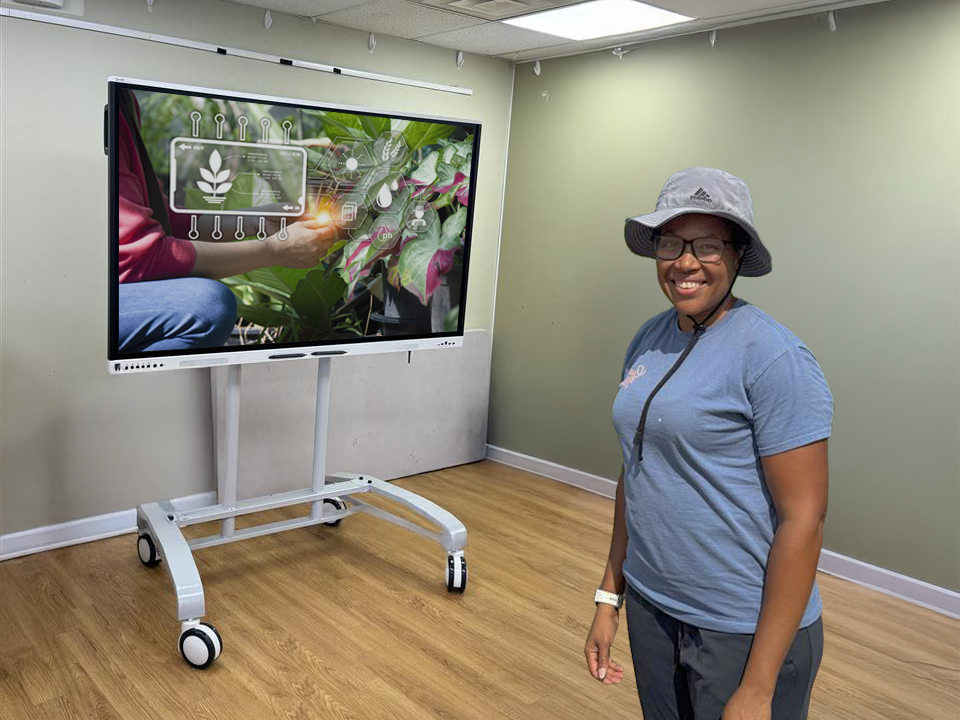
Individual learners benefit from different ways of experiencing information. For Wagner Farm, the SMART Board creates another pathway into the lesson by combining images, video, interaction, discussion, and visual demonstrations before students ever step outside.
See It. Interact with It. Do It.
That combination is at the heart of Wagner Farm’s approach.
First, students see it.
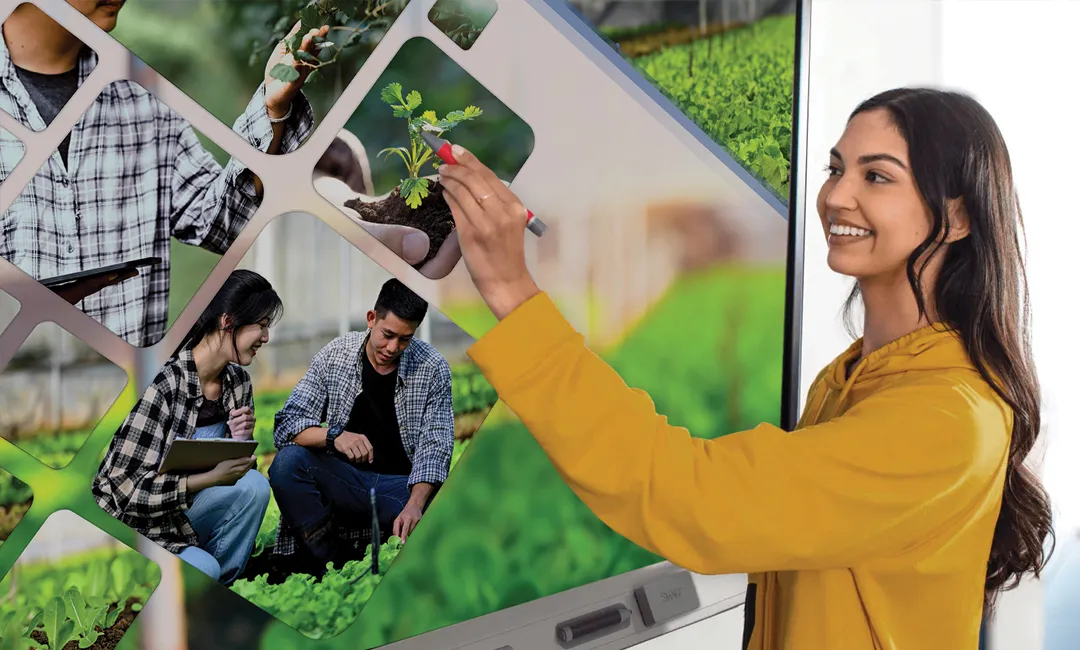
A SMART Board can show images, videos, demonstrations, diagrams, and processes that may be difficult to explain or observe in the garden during a single visit.

Then, students interact with it.
The interactive display gives instructors an opportunity to write, demonstrate, ask questions, and engage students directly with the lesson.
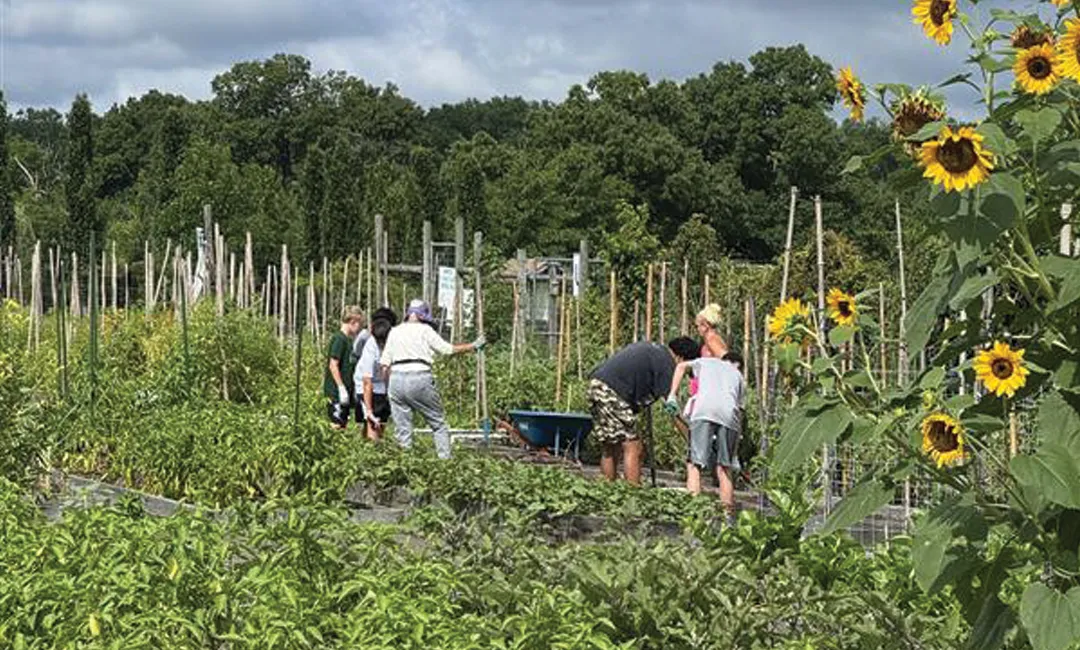
Finally, students take it outside.
The learning moves from the screen into the garden, where students can touch the plants, observe the environment, and put the lesson into practice.
Khia describes SMART as a way to bridge the gap between those two experiences.
This is particularly valuable in agriculture, where many processes happen over days, weeks, or even an entire growing season. A student visiting the garden might only see one stage of a plant’s life cycle. With SMART, instructors can show the larger story through visuals and time-lapse content before students see the real thing outside.
“The board helps us bridge that gap, so people can see from beginning to end.”
A Mission That Keeps Growing
Looking ahead, Wagner Farm plans to continue expanding its educational programming, internship opportunities, volunteer experiences, and community partnerships.
The goal isn’t to replace the hands-on nature of the Giving Garden. It’s to give more learners more ways to understand what they’re seeing and doing.
SMART is one part of that experience.
It helps them understand the garden before they step into it.
And then the real learning begins.
As Khia puts it:
“It allows you to show very quick pieces, time-lapse sort of things that happen. Things that you can’t show the full spectrum of once you’re out in the garden.”
At Wagner Farm, technology doesn’t take students away from the garden.
Want to Learn More or Get Involved?
The Giving Garden is powered by volunteers, with opportunities for individuals, student groups, community organizations, scout troops, and corporate groups to get involved. Volunteer work can include preparing beds, planting, weeding, harvesting, delivering produce, and supporting educational programs.
Learn more about Wagner Farm Arboretum’s Giving Garden, volunteer opportunities, and ways to support their work: Wagner Farm Arboretum Giving Garden