Digital Citizenship for the 21st Century
Adam Fragale
Curriculum & PD Specialist
Blog
Teq Supports District Implementation: Beyond funding guidance, Teq provides turnkey grant alignment, hardware staging, and certified PD coaching via OTISpd.com to ensure 100% classroom adoption.
If you are just making sure that your students’ passwords and identities are protected online, you are not teaching them digital citizenship. Of course, understanding the importance of protecting your identity online is a vital aspect of becoming a digital citizen, but there are some other important components to practicing good digital citizenship. We sometimes incorrectly assume that our students, who have been exposed to technology since they were born, should know how to properly use it. In many instances, students have only just touched the surface of technology’s capabilities and uses for the good of society.
Why teach digital citizenship?
The first concept of citizenship in America “began in colonial times as an operative relation between people working cooperatively to solve local problems and participating actively in democratic decision-making.”1 As teachers, the purpose of having students become good digital citizens is to prepare them to be empathetic and active members of society, as we increasingly move into digital spaces. Students should understand that the technology at their fingertips needs to be treated as a resource for the greater good of society. It’s also important for them to be efficient in utilizing it in safe and appropriate ways.
Pathways and goals for digital citizenship
Goals to achieve with your students in gaining digital citizenship can include:
- Using technology to make your community better
- Respectfully engaging with people who share different opinions from your own
- Utilizing technology to shape and change public policy
- Understanding the validity of online sources
Creating a pathway to digital citizenship is the best way to incorporate this learning into your classroom. There are many different ways you can engage your students in developing digital literacy and good digital citizenship. A possible pathway may look something like this:
- Understanding digital privacy
- Make sure students are aware of the permanence of their actions
- Engage in positive and ethical behavior when using technology
- How to give proper credit when using someone else’s work
This pathway is not a difficult one, but it is one that should begin at the elementary level and continue through the high school level. Repetition is also key in making sure that students understand how to apply good citizenship concepts to new situations. Digital citizenship should be taught in every subject, especially since the concepts behind it, such as collaboration, critical thinking, and creativity are all part of the learning process.
For more discussion on digital citizenship, take a look at our companion course on OTIS for educators, or browse our catalog of digital citizenship courses.
For more tips, tricks, and tools for teaching in and out of the classroom, check out more articles on the Teq Talk blog.
We also offer virtual professional development, training, and remote learning support for educators with OTIS for educators. Explore the technology, tools, and strategies that can spark student success — no matter where teaching or learning are happening.
Footnotes
0 thoughts on “Digital Citizenship for the 21st Century”
Related Articles & Other Recommended Reading
How to Safely Store Your AR/VR Headsets for the Summer
As the school year comes to a close, properly preparing your AR/VR hardware for summer storage is essential to extending the lifespan of your investment. Taking a few deliberate steps ensures that when teachers and students return in the fall, their headsets, controllers, and charging carts will be clean, functional, and ready for classroom use. […]
Teq Tuesdays: Summer PD Lineup
Summer is here, and so are Teq’s annual summer PD sessions! Join us on select Tuesdays in July and August for a variety of engaging professional learning experiences. Our summer PD lineup this year dives into unlocking the full potential of AI and brushing up on core Google Workspace skills. All sessions will be broadcast […]
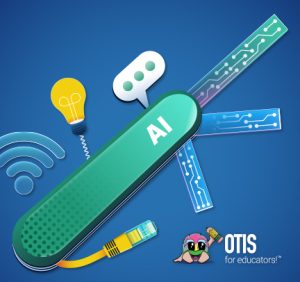
What AI Tools Are Teachers Actually Using?
While having a variety of AI tools at your fingertips is helpful, the number of options can feel overwhelming. In our OTIS for educators session, “Demystifying AI Tools,” we’ll dive into the top AI platforms being used in education. We’ll uncover their ideal use cases, abilities, and limitations so that you can find the best fit(s) […]