Using Maestro and Splashtop to Remotely Control your SMART Board
JannaDougherty
News
Teq Supports District Implementation: Beyond funding guidance, Teq provides turnkey grant alignment, hardware staging, and certified PD coaching via OTISpd.com to ensure 100% classroom adoption.
Many SMART teachers having been asking themselves the following question: “The SMART Board’s fantastic, but I’d love to start building lessons where I don’t have to be at the board to navigate. Some of my students need more attention than I can give them from the front of the classroom. Is there anything available for that?”
The answer is a resounding yes. As a matter of fact, there are multiple options for managing a lesson remotely, freeing teachers to move throughout their classroom. Here are two that we have been exploring lately at Teq:
MAESTRO

An exclusive download to Apple devices, Maestro is an extension of SMART Notebook that can be accessed through the SMART Notebook app. When active, Maestro allows you to create, navigate, and interact with any open Notebook file on your computer through your WiFi network.
Because the app and extension are run through SMART, Maestro is not built to control the SMART Board when not within Notebook. As a result, lessons that rely heavily on outside sources, such as webpages, may not function the way you’d like. It can take some practice to know what portions of the lesson can be controlled remotely, and when you or a student have to go to the front of the room and engage the board directly. In addition, the app does have a limited set of tools compared to the computer version of Notebook; for example, the Gallery is not available from the app.
However, those tools that are available free the teacher to begin creating lessons from any location, and then send the lesson to a desktop version of Notebook to take advantage of those features.
In addition, a 1:1 environment would also allow students the same level of freedom. A student presenting a project on the board could take control of the board, manage and edit their presentation from anywhere in the classroom using their device, and use this control develop their public speaking skills in a more realistic way than tethering themselves to a board will allow.
Maestro is a simpler setup of the two options explored today, requiring only the app and a corresponding download at your computer. The download required for Maestro is free from the SMART website (http://info.smarttech.com/20141031-Notebook-Maestro-Download_Landing-Page.html). However, at this point the SMART Notebook app requires payment, and is available at Apple’s app store for $6.99.
SPLASHTOP

Splashtop is a free service that allows teachers to mirror their desk computer onto a mobile device, and then access files and applications on their computer remotely. However, the definition of free should be clarified; Splashtop has multiple levels of service. While the personal version of the service is free, the classroom edition requires a purchase to take full advantage. (Your school can sign up for a free trial of Splashtop Classroom at http://www.splashtop.com/classroom.)
This service does hold one advantage over Maestro: Unlike the Notebook app, this remote function works by mirroring the entire computer, rather than just Notebook. If a lesson involves YouTube videos or educational games downloaded to the teacher’s computer, Splashtop can access, annotate, and share it.
In addition, Splashtop holds the possibility of allowing multiple students immediate access to the lesson on their own devices, ranging from iPads to computers to mobile phones. If a student has difficulty following a lesson from the front of the board (ex. poor vision, attention difficulties) they can have it presented to them, in real time, right at their desks.
As always, the choice of which method is best is one best left to individual classrooms. Many teachers have found Splashtop remarkably freeing for their students, while others prefer the depth Maestro adds to their Notebook files.
Either way, though, teachers looking to extend the interactivity of their SMART Board will find that leaving the front of the classroom open will only serve to improve their lessons. I recommend you try at least one of them out—and warn your students that they’ll be getting even more of your attention than they already do!
0 thoughts on “Using Maestro and Splashtop to Remotely Control your SMART Board”
Related Articles & Other Recommended Reading
How to Safely Store Your AR/VR Headsets for the Summer
As the school year comes to a close, properly preparing your AR/VR hardware for summer storage is essential to extending the lifespan of your investment. Taking a few deliberate steps ensures that when teachers and students return in the fall, their headsets, controllers, and charging carts will be clean, functional, and ready for classroom use. […]
Teq Tuesdays: Summer PD Lineup
Summer is here, and so are Teq’s annual summer PD sessions! Join us on select Tuesdays in July and August for a variety of engaging professional learning experiences. Our summer PD lineup this year dives into unlocking the full potential of AI and brushing up on core Google Workspace skills. All sessions will be broadcast […]
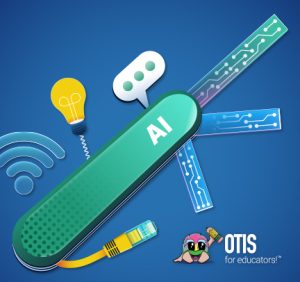
What AI Tools Are Teachers Actually Using?
While having a variety of AI tools at your fingertips is helpful, the number of options can feel overwhelming. In our OTIS for educators session, “Demystifying AI Tools,” we’ll dive into the top AI platforms being used in education. We’ll uncover their ideal use cases, abilities, and limitations so that you can find the best fit(s) […]